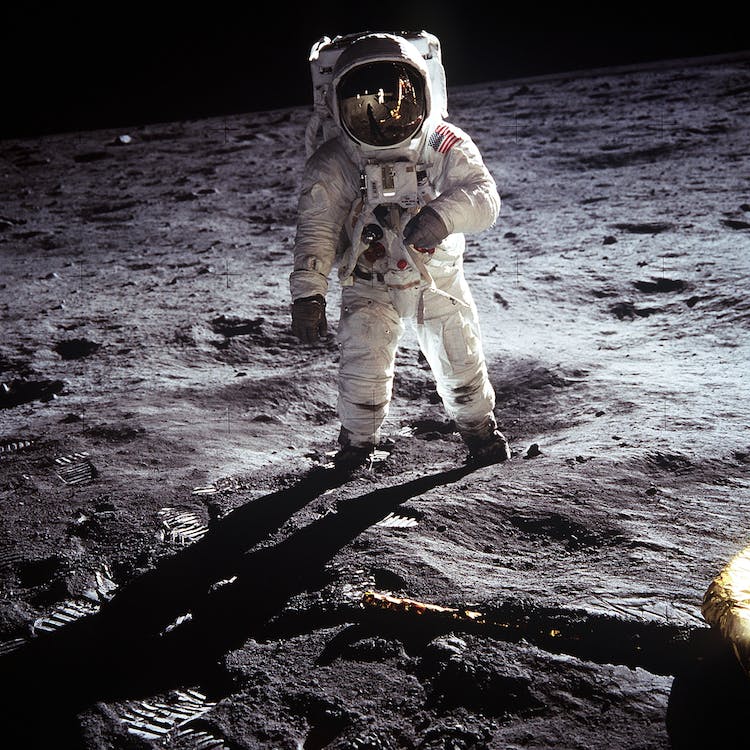
Planning
Planning is an integral step in the process of space travel. New astronaut recruits need to go through an application process in order to receive a license for flight. This license must be given by the Federal Aviation Administration in order to ensure that the recruit is qualified and knowledgable about all the safety practices before proceeding.
We follow all of the regulations outlined on the Federal Aviation Administration's Regulations on Human Spaceflight and their recommended practices.
Application for License
- Fill out basic information
- Articulate Scope of License
- Accept Means of Compliance
FAA Workshops
- 3 Day workshop
- Covers regulations
Safety Reviews
- Evaluation of Organization
- Flight Safety Analysis
- Quantitative Risk Criteria
Training
Training is necessary for recruits to be prepared to travel through the galaxy. This includes strength training and buoyancy training. Recruits also have to be prepared for the weightlessness they will experience in space.
We follow all of the regulations outlined on the Federal Aviation Administration's Regulations on Human Spaceflight and their recommended practices.
Strength & Conditioning
- Heavy workouts
- Extensive Cardio
Preparing for Microgravity
- Get a feel for weightlessness
- Articulate Scope of License
- Accept Means of Compliance
Buoyancy Training
- 7-hours per day underwater
- Practice doing tasks in full-sized space shuttle models.
- Water helps replicate conditions in Space
VR Training
- Preparation for motion-sickness
- Prepare for tasks in space shuttle
Health
Understanding the health risks and how to minimize negative effects on health is a crutial step in preperation for space travel and being safe.
We follow all of the regulations outlined on the Federal Aviation Administration's Regulations on Human Spaceflight and their recommended practices.
Radiation Exposure
- Cancer
- Radiation sickness
- Radiation shielding
- Medicines
Isolation
- Sleep Problems
- Depression
- Gardening & Journaling
- Light technologies
Extended Time in Microgravity
- Reduced muscle mass
- Fluid shifts
- Changes in sensorimotor skills
- Exercise
- Medications
Closed Environment
- Weak Immune System
- Body Temperature Change
- Air quality monitoring
- Immunizations
Precautions
It is important to take the necessary precautions before heading to space to ensure safety.
We follow all of the regulations outlined on the Federal Aviation Administration's Regulations on Human Spaceflight and their recommended practices.
Briefing on Survival Equiment & Supplies
- Food & Water
- Signaling Equipment
- First Aid
Ensure Protection in Vehicle
- Acceleration Protection
- Vibration Protection
- Radiation Protection
- Mechanical Hazard Gear
Training on Space Shuttle Safety Tools
- Communication Software
- Survival Equipment
- Fire Supression Equipment
Launch
The Launch is the most important point in the space travel process. Ensuring the launch goes smoothly is vital.
We follow all of the regulations outlined on the Federal Aviation Administration's Regulations on Human Spaceflight and their recommended practices.
T-43 Hours
- Test Flight System Software
- Test Power Systems
- Clear Launch Pad
T-11 Hours
- Weather and engineering briefings.
- Activate Fuel Cells
T-6 Hours
- Fill Tank with Liquid Hydrogen & Oxygen
- Crew enters spacecraft
- Check cockpit switch configurations
T-20 Minutes
- Start fuel cell thermal conditioning
- Close all cabin vent valves
- Check cockpit switch configurations
T-9 Minutes
- Travelers close and lock visors
- Activate engine hydrogen burnoff system
- Start Engine
T-0
LIFTOFF
Recovery
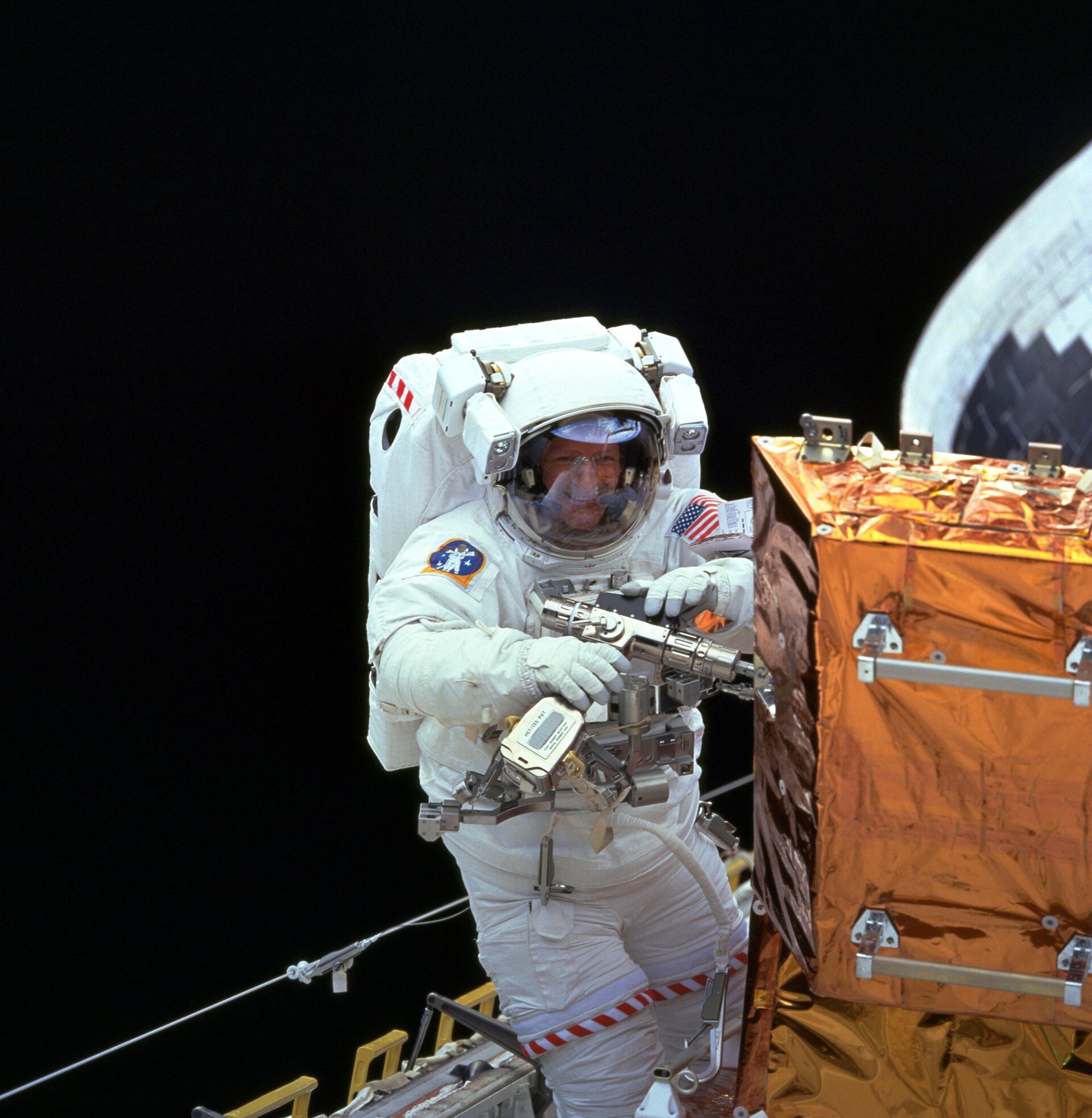
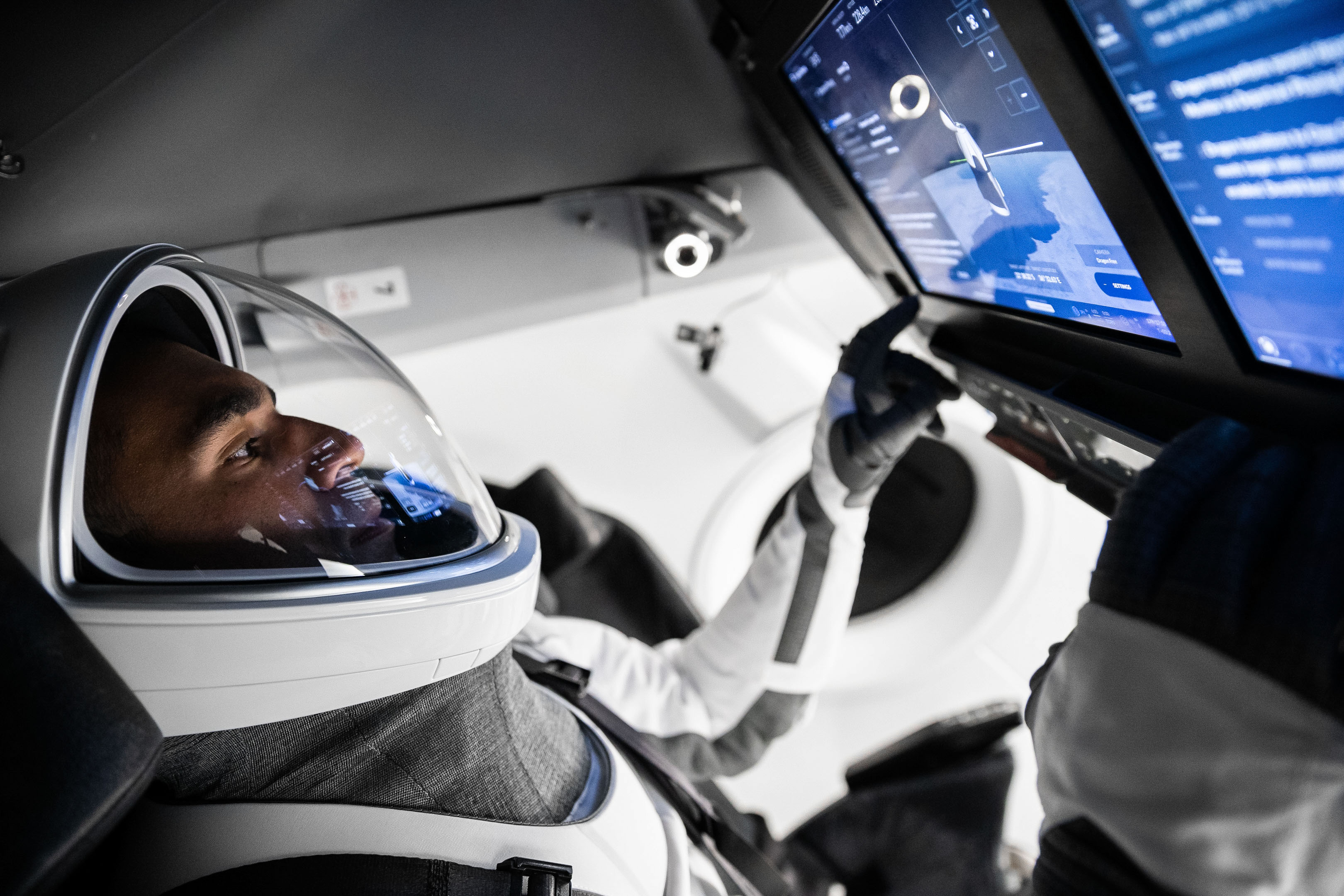
Recovery is the final part of the space travel process. There are numerous side effects that can occur after traveling to the depths of space. These effects need to be treated.
We follow all of the regulations outlined on the Federal Aviation Administration's Regulations on Human Spaceflight and their recommended practices.
Bone & Muscle Deterioration
- Extensive Exercise for Muscles
- Medications
- Diet for Bone Growth
Physocological Effects
- Some might Experience Stress
- Some might Experience Lack of Sleep
- Treated with Rehabilitation
Effects of Weightlessness
- Post-flight orthostatic intolerance
- Requires rest
- Blood pressure returns to normal eventually
Planning
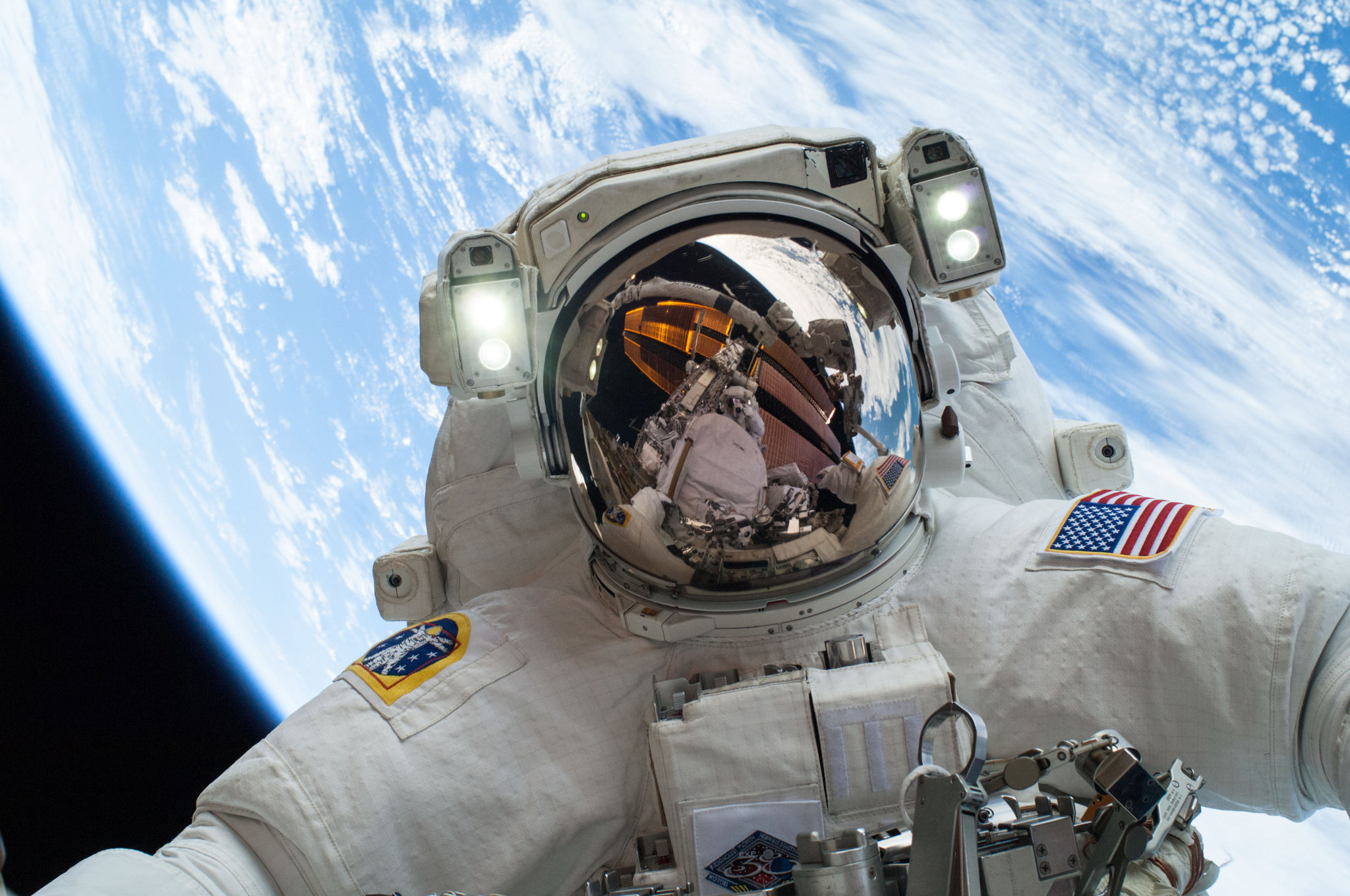
Training
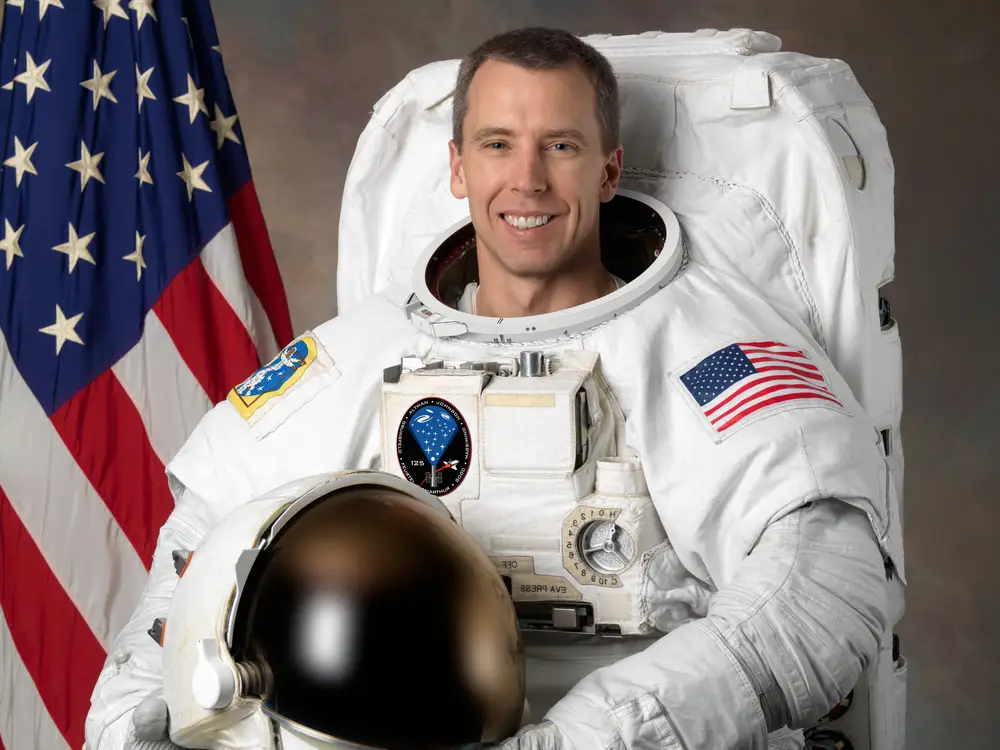
Health
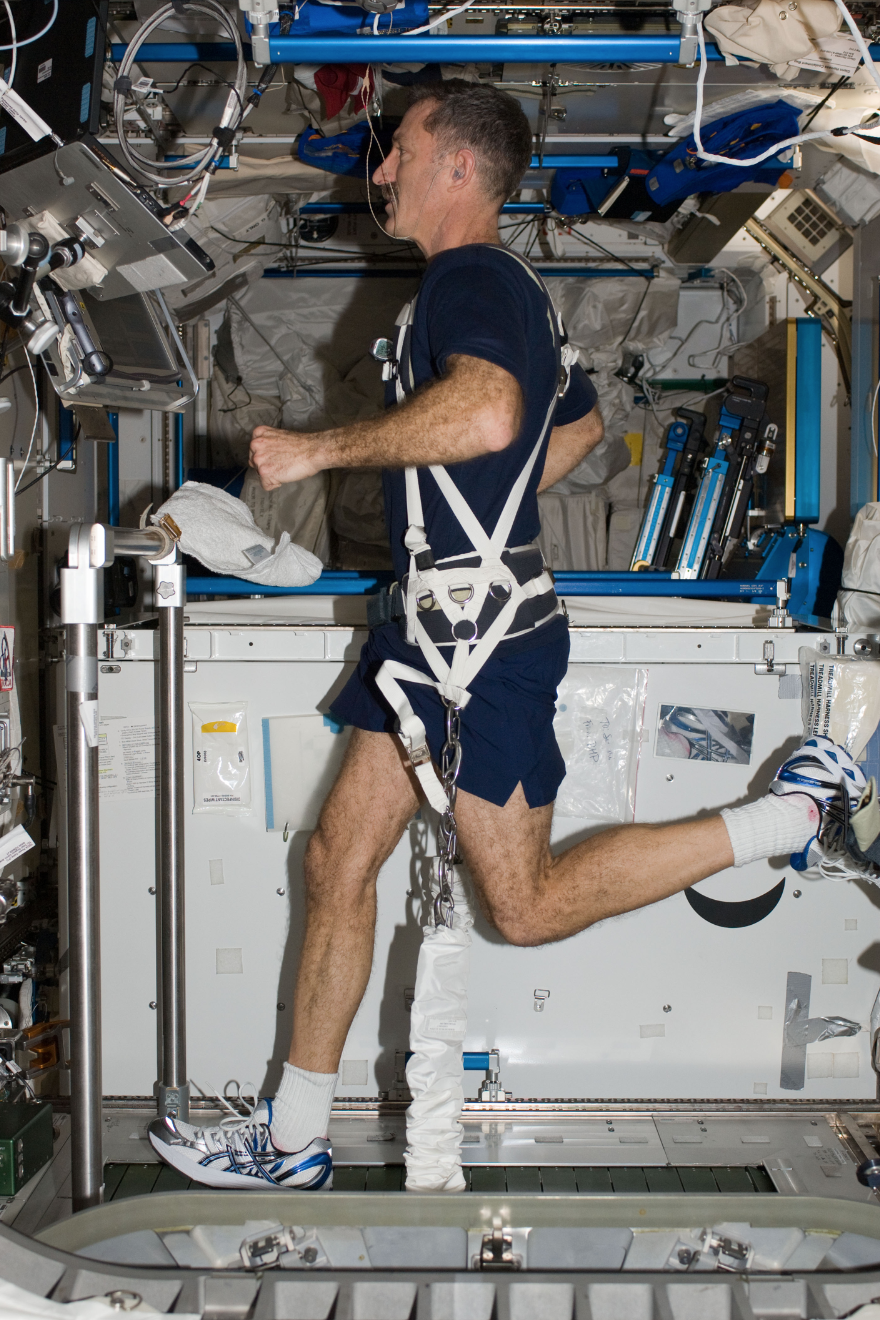
Precautions
Launch
Recovery